
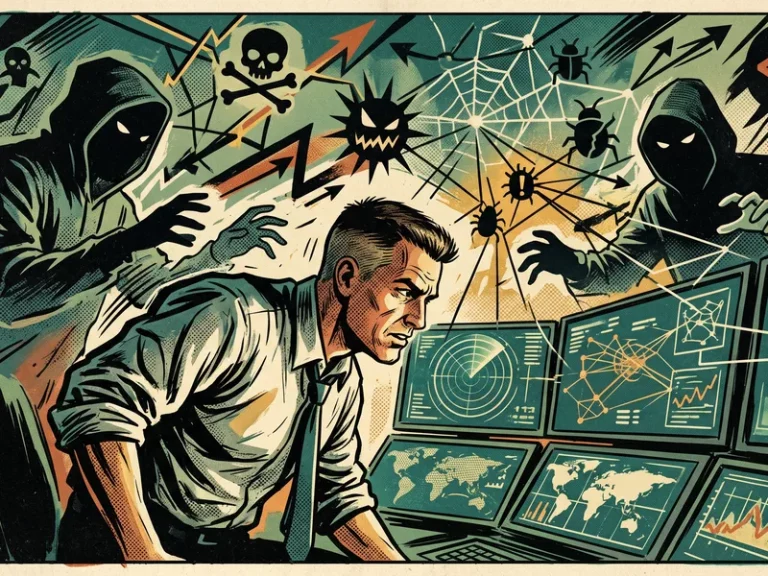
Most organizations today are not lacking security tools. Firewalls, endpoint protection, and monitoring systems are already in place. Yet breaches still happen, not because defenses are absent, but because threats are often understood too late. This is where the conversation is shifting. The question is no longer just “How do we stop attacks?” but “Do we even know what’s coming?”
The Problem with Reactive Security
Traditional cybersecurity is largely reactive. An alert is triggered, an incident is investigated, and a response follows. While this approach is necessary, it often means organizations are always one step behind. By the time a threat is detected, it may have already progressed. Attackers, on the other hand, operate differently. They plan, test, and adapt before launching an attack. They study targets, identify weak points, and refine their approach over time. This imbalance creates a gap, one where attackers have the advantage of preparation, while defenders are left responding to outcomes.
From Alerts to Insight
Not all threats look the same, and not all risks are visible within internal systems. Many indicators of attack exist outside the organization, across the open web, underground communities, and digital ecosystems where threat actors operate. Without visibility into this external landscape, organizations are limited to what they can detect internally.
Cyber threat intelligence changes this dynamic. It provides context, patterns, and early signals that help organizations understand not just what is happening, but what could happen next. Instead of isolated alerts, security teams gain insight into behaviors, trends, and emerging risks.
Understanding Threats Before They Reach You
One of the most valuable aspects of cyber threat intelligence is its ability to shift security from reactive to proactive. By monitoring external sources, organizations can identify:
- potential targeting of their brand or assets
- leaked credentials or exposed data
- emerging attack techniques relevant to their environment
This allows teams to act earlier, sometimes before an attack is fully executed. In a landscape where timing is critical, early awareness can significantly reduce impact.
Making Security More Strategic
Cybersecurity is no longer just a technical function; it is a strategic one. Decisions about risk, investment, and response require a broader understanding of the threat landscape. Cyber threat intelligence supports this by connecting technical data with real-world context. It helps organizations prioritize what matters, focus on relevant risks, and avoid being overwhelmed by noise. This leads to more informed decisions and more efficient use of resources.
Staying Ahead in a Moving Threat Landscape
Cyber threats are constantly evolving. New techniques, tools, and targets emerge regularly, making it difficult to rely on static defenses. Organizations need a way to keep up, not just with what is happening now, but with what is coming next. This requires visibility beyond internal systems and an understanding of how threat actors operate across the broader digital environment.
Solutions like SOCRadar Cyber Threat Intelligence are designed to provide this level of visibility. By delivering insights into external threats, digital risks, and attacker behavior, organizations can move from reactive defense to proactive security. Instead of waiting for alerts, they gain the ability to anticipate and prepare.
With support from Terrabyte, businesses can adopt a more forward-looking approach to cybersecurity, one that focuses not only on stopping attacks, but on understanding them before they happen.