
As organizations continue to embrace cloud platforms, SaaS applications, and hybrid work environments, the way data is accessed and used has fundamentally changed. Users no longer operate within a fixed network, and sensitive information is no longer stored in a single location.
In this new reality, traditional security models that rely on perimeter defenses and trusted internal access are no longer enough. The focus is shifting toward a more adaptive approach, one that does not just control access, but continuously protects data itself. This is where Zero Trust Data Security becomes essential.
Why Data-Centric Security Matters Today
In many organizations, security is still focused on protecting systems such as networks, endpoints, and applications. While these layers are important, they do not fully address the risks associated with data itself.
Sensitive information can move across cloud environments, be duplicated across platforms, and be accessed from multiple devices. Without direct visibility and control over the data, organizations may struggle to manage exposure effectively.
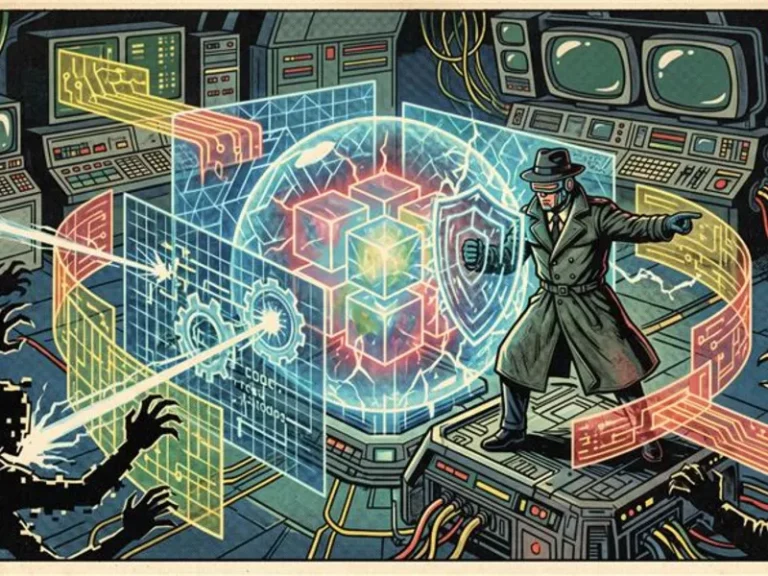
Zero Trust Data Security addresses this gap by putting data at the center of the security strategy. It ensures that protection follows the data, regardless of where it resides or how it is accessed.
The Challenge of Data Exposure
One of the biggest challenges in modern environments is data exposure. Even when access is properly controlled, sensitive information can still be at risk once it becomes visible to the user. For example, data displayed on screens can be captured, shared, or misused without triggering traditional security alerts. Similarly, information accessed through SaaS platforms may not be fully monitored at the data level. This highlights a critical issue: access control alone does not guarantee data protection.
Continuous Verification and Control
Zero Trust Data Security introduces the concept of continuous control. Instead of treating security as a one-time event during login, it ensures that every interaction with data is evaluated in real time. This includes monitoring how data is accessed, understanding user behavior, and applying controls based on context. Access can be adjusted dynamically, and sensitive information can be protected even after it is opened. By maintaining visibility throughout the data lifecycle, organizations can reduce risk and respond more effectively to potential threats.
Aligning Security with Modern Work
Today’s workforce is more mobile and distributed than ever. Employees work from home, travel frequently, and collaborate across different platforms and devices. This flexibility is essential for productivity, but it also increases the complexity of data security. Zero Trust Data Security aligns with this reality by ensuring that protection is not tied to a specific location or network. Instead, it adapts to how people work, providing consistent security regardless of where data is accessed. This approach supports both security and usability, allowing organizations to maintain control without slowing down operations.
Securing Data for the Future
Implementing Zero Trust Data Security is not about replacing existing security tools, but about enhancing them. It works alongside network, endpoint, and application security to provide a more complete view of risk. By combining access control with data-level protection, organizations can close the gaps that often lead to data leaks and compliance issues.
As digital environments continue to evolve, the importance of protecting data will only increase. Organizations need to move beyond traditional models and adopt strategies that reflect how data is used today.
Zero Trust Data Security provides a foundation for this shift. It ensures that sensitive information remains protected not just at the point of access, but throughout every stage of its lifecycle. With Terrabyte, businesses can build a security strategy that goes beyond trust and focuses on what matters most, keeping data secure wherever it goes.