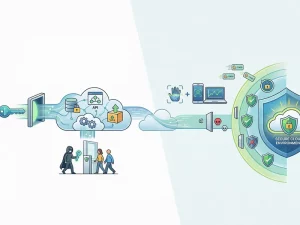
Data is no longer confined to internal servers or controlled office environments. It moves across cloud platforms, employee devices, collaboration tools, and third-party applications every day. As digital operations expand, so does the risk of sensitive information be exposed, whether intentionally or accidentally. This is where Data Loss Prevention (DLP) becomes essential.
What Is Data Loss Prevention?
Data Loss Prevention (DLP) is a security strategy and technology framework designed to detect, monitor, and prevent unauthorized access, sharing, or leakage of sensitive information. It helps organizations identify critical data, understand how it moves, and enforce policies to prevent it from exposure or misuse.
DLP is not only about stopping malicious insiders. It also addresses accidental data leaks, such as employees sending confidential documents to the wrong recipient, uploading sensitive files to unsecured cloud storage, or misconfiguring access permissions.
Why Data Loss Prevention Matters in Modern Environments
As organizations adopt cloud services, remote work models, and digital collaboration tools, data no longer resides in a single location. Sensitive information may exist across endpoints, SaaS platforms, email systems, and shared drives. Without proper visibility and control, organizations face risks such as:
- Accidental Data Exposure – Employees unintentionally sharing confidential files externally.
- Insider Threats – Authorized users deliberately exfiltrating sensitive data.
- Regulatory Non-Compliance – Failure to protect personal or financial data according to industry regulations.
- Intellectual Property Theft – Loss of proprietary information or trade secrets.
DLP provides structured monitoring and enforcement mechanisms to mitigate these risks before they escalate into incidents.
How Data Loss Prevention Works
DLP solutions operate by identifying sensitive data and applying policy-based controls. These systems typically monitor data across three primary areas:
- Data at Rest – Information stored in databases, file systems, or cloud storage.
- Data in Motion – Data being transferred through email, web uploads, APIs, or messaging platforms.
- Data in Use – Data accessed or modified on user devices and applications.
Classifying sensitive content, such as personal data, financial records, healthcare information, or confidential business documents; DLP tools can trigger alerts, block transmissions, encrypt files, or restrict user actions when policy violations occur.
Data Loss Prevention in the Cloud Era
In cloud-driven environments, DLP must adapt to dynamic data flows. Traditional perimeter-based controls are no longer sufficient when employees access data from multiple locations and devices. Modern DLP solutions integrate with cloud applications, collaboration platforms, and endpoint systems to maintain visibility across distributed environments. This cloud-aware approach ensures sensitive information remains protected, regardless of where it resides or how it moves.
At Terrabyte, we help organizations implement Data Loss Prevention strategies that align with their operational workflows and regulatory requirements. By combining data visibility, policy enforcement, and cloud-aware security controls, Terrabyte supports enterprises in safeguarding sensitive information while maintaining productivity and business agility.