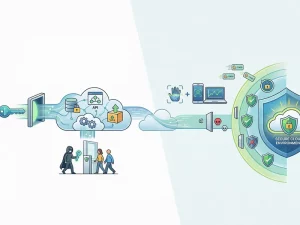

As organizations strengthen their cybersecurity posture, many focus on network monitoring, cloud security, and perimeter defenses. However, one of the most critical risk points often sits much closer to home, the endpoint. Laptops, desktops, and remote devices are where sensitive data is accessed, modified, and sometimes unintentionally exposed.
Endpoint Data Loss Prevention (Endpoint DLP) addresses this risk directly by monitoring and controlling how sensitive information is handled at the user level. In today’s hybrid and remote work environments, endpoint protection is no longer optional, but it is foundational.
Why Endpoints Are a Major Data Risk
Employees regularly download reports, access confidential databases, share presentations, and transfer files between applications. While these actions are part of daily operations, they also create potential exposure points. Common endpoint-related risks include:
- Copying sensitive files to USB drives
- Uploading confidential documents to unauthorized cloud storage
- Sending proprietary data via personal email
- Printing restricted documents without approval
- Accidental sharing of internal files externally
Traditional network-based DLP solutions may not detect these activities, especially when devices operate outside corporate networks. Endpoint DLP fills this gap by providing visibility and enforcement directly on user devices.
How Endpoint Data Loss Prevention Works
Endpoint DLP solutions monitor user activity, file movement, and application interactions on managed devices. They classify sensitive data based on defined policies and enforce controls when policy violations occur. These controls can include:
- Blocking unauthorized file transfers
- Encrypting sensitive files automatically
- Restricting copy, paste, or screen capture actions
- Alerting security teams of suspicious behavior
- Generating detailed forensic reports
By operating directly at the endpoint layer, organizations gain granular control over how data is accessed and shared, regardless of network location.
Addressing Insider Threats and Accidental Leaks
Not all data incidents are malicious. Many breaches result from human error, sending files to the wrong recipient, or misunderstanding access permissions. However, insider threats, whether intentional or negligent, remain one of the most difficult risks to manage.
Endpoint DLP provides behavioral monitoring and contextual awareness, allowing organizations to detect unusual patterns such as bulk file downloads, abnormal transfer activity, or attempts to bypass security controls. This proactive visibility significantly reduces the risk of data exfiltration.
Achieving Compliance and Data Governance
Regulatory frameworks increasingly require strict data handling controls, particularly for personal, financial, and healthcare information. Endpoint Data Loss Prevention supports compliance initiatives by enforcing consistent policies and maintaining audit trails for sensitive data interactions. With centralized reporting and policy management, organizations can demonstrate accountability while maintaining operational efficiency.
Strengthening Data Loss Prevention with Data Resolve
At Terrabyte, we support organizations in implementing structured data protection strategies aligned with modern enterprise environments. By leveraging Data Loss Prevention solutions from Data Resolve Technologies, enterprises gain advanced endpoint monitoring, granular policy enforcement, and real-time visibility into sensitive data activity across user devices. This approach enables proactive prevention of data leaks while maintaining productivity and business continuity.
To further explore how Data Loss Prevention can reduce insider risk and strengthen compliance, join our upcoming Terrabyte webinar with Data Resolve, where industry experts will discuss practical strategies, real-world use cases, and implementation best practices for protecting sensitive data at the endpoint level.
Stay connected with Terrabyte for event details and registration information and discover how your organization can enhance data security from the inside out!