
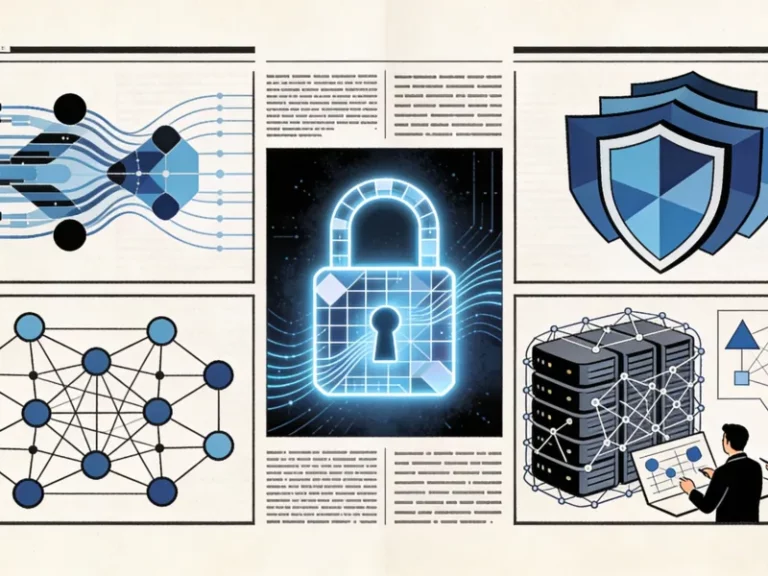
Every secure digital interaction relies on something most users never see. When data is sent, stored, or accessed securely, it is protected by encryption algorithms working silently in the background. These algorithms form the mathematical foundation that keeps sensitive information unreadable to unauthorized parties.
As cyber threats grow more advanced, understanding encryption algorithms is no longer limited to technical teams alone. Businesses, decision-makers, and everyday users benefit from knowing how modern encryption protects data and where its limitations lie.
What Are Encryption Algorithms?
Encryption algorithms are mathematical procedures used to convert readable data into an unreadable format, commonly known as ciphertext. Only those with the correct cryptographic key can reverse the process and restore the original information. This transformation ensures that even if data is intercepted or accessed improperly, it remains protected.
At their core, encryption algorithms rely on complex mathematical operations that are easy to perform in one direction but extremely difficult to reverse without authorization. This imbalance is what makes encryption effective against brute-force attacks and unauthorized decryption.
Why Encryption Algorithms Matter in Cybersecurity
Encryption algorithms are essential because data is constantly moving across networks and being stored in digital systems. Without encryption, sensitive information such as credentials, financial records, intellectual property, and personal data would be exposed at every stage of its lifecycle.
Modern cybersecurity depends on strong encryption algorithms to protect data both in transit and at rest. When properly implemented, encryption reduces the impact of breaches by ensuring that stolen data cannot be easily exploited.
Types of Encryption Algorithms in Use Today
Different encryption algorithms are designed for different purposes. Symmetric encryption uses a single shared key for both encryption and decryption, making it fast and efficient for large volumes of data. Asymmetric encryption uses a pair of public and private keys, enabling secure communication without sharing secret keys in advance.
Many modern systems combine both approaches, using asymmetric encryption to securely exchange keys and symmetric encryption to protect ongoing data transmission. This hybrid model balances security and performance in real-world environments.
Strength, Trust, and Algorithm Selection
Not all encryption algorithms offer the same level of protection. Algorithm strength depends on factors such as key length, mathematical complexity, and resistance to known attack techniques. Older or poorly implemented algorithms may still function technically but no longer provide adequate security against modern computing power.
Choosing the right encryption algorithm requires balancing security requirements, performance needs, and regulatory expectations. What works for one system may not be appropriate for another, especially in environments with sensitive or regulated data.
The Role of Encryption Algorithms in a Changing Threat Landscape
As computing capabilities evolve, encryption algorithms must evolve as well. Advances in hardware, cloud computing, and emerging technologies place pressure on existing cryptographic methods. This ongoing evolution is why encryption standards are regularly reviewed, updated, and, in some cases, retired. Encryption algorithms are not static defenses. They are part of a living security ecosystem that must adapt to new threats, compliance demands, and technological change.
Building a Secure Foundation with Encryption
Encryption algorithms alone cannot solve every cybersecurity challenge, but they remain one of the most critical building blocks of digital trust. When combined with secure key management, access controls, and monitoring, encryption strengthens resilience across systems and industries.
Terrabyte helps organizations design and implement encryption strategies that align with modern security requirements, ensuring that cryptographic foundations remain strong, adaptable, and ready for evolving cyber threats.